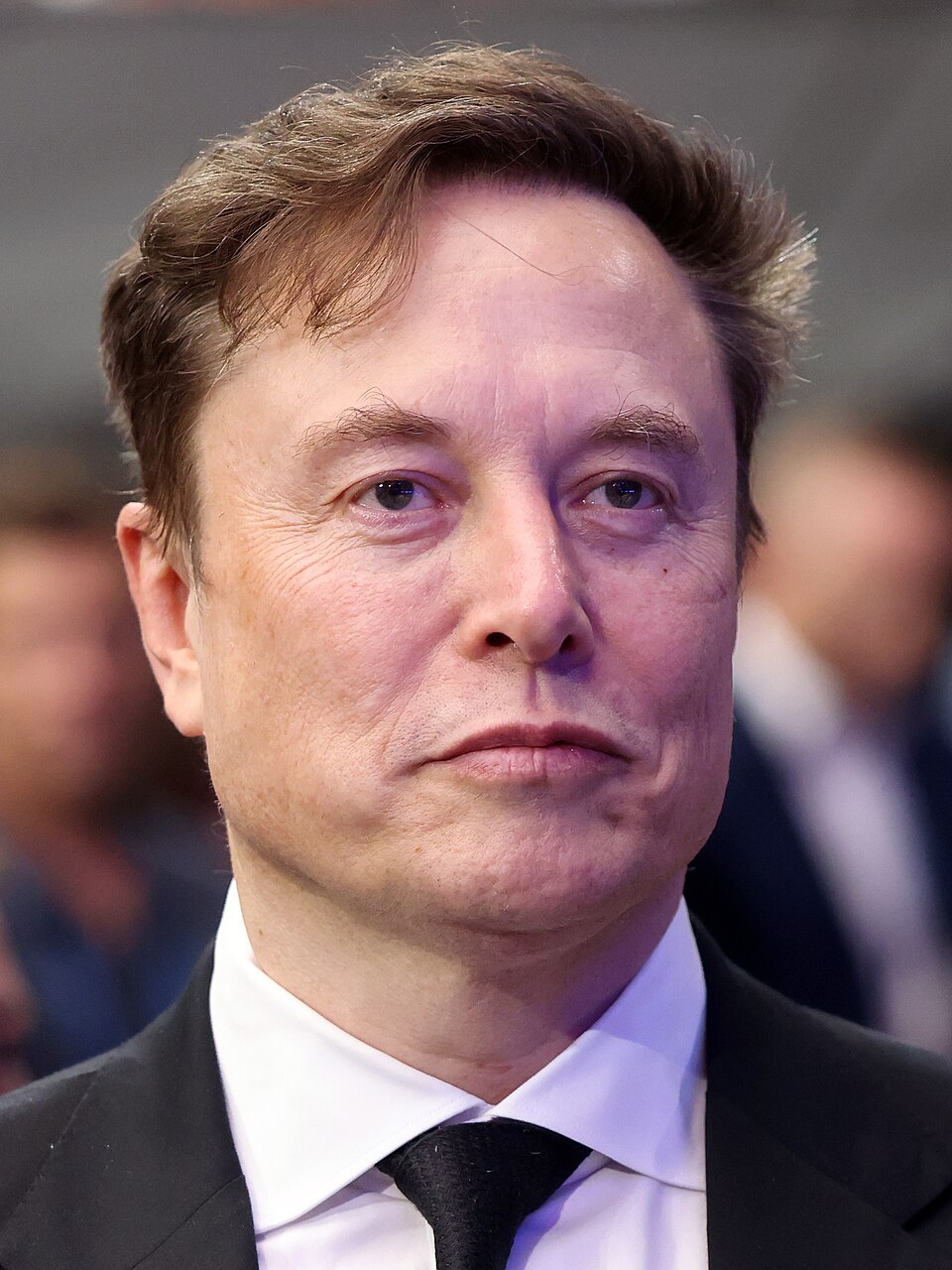
Sixty billion dollars. That is the price Elon Musk has just put up, through SpaceX, to acquire Cursor — the AI-assisted code editor that became, in three years, the default tool of more than a million developers. The deal, revealed on 16 June 2026 (CNBC, Bloomberg), is not just one more transaction in a frenzied market: it is the moment a tool your teams may use every day changes sides. Yesterday a pillar of Anthropic's revenue, Cursor now enters the empire of a man who already owns the rockets, the social network and the rival AI lab. The amount makes the headlines. What it reveals is more useful.
1. The facts
On 16 June 2026, SpaceX announced the purchase of Anysphere — the company behind Cursor — for about $60 billion, an all-stock deal expected to close in the third quarter (Yahoo Finance / TheStreet). The deal also makes its four co-founders, all MIT alumni, billionaires (Quartz).
The timing matters. The purchase comes a few days after Washington suspended Anthropic's Claude Fable 5 and Mythos 5 models (see our analysis of the export control), and in a week saturated with announcements of concentration. The sector no longer just produces intelligence: it is reorganising around a few owners.
2. The two protagonists

Cursor (Anysphere)
AI-assisted code editor, a fork of VS Code, launched in 2023 by Anysphere — a company founded in 2022 by four MIT alumni (Michael Truell, 25, is its CEO). More than a million users, about $2.6 billion in annualised revenue, one of the fastest-growing B2B products in history. Above all: for a long time one of Anthropic's biggest customers, at its peak accounting for 40 to 50% of Claude's revenue.

SpaceX × xAI
In February 2026, SpaceX absorbed xAI (the lab behind Grok) in an all-stock merger valuing the combined group at $1,250 billion — the largest merger ever carried out (TechCrunch). The group is preparing a 2026 stock market listing, even though Morningstar considers its valuation target overstated (CNBC). The Cursor purchase gives it an immediate foothold among developers, which it can plug into Grok and its Colossus supercomputer.
To understand what Cursor is worth, the simplest way is to listen to its co-founder and CEO, Michael Truell, describe the product and his bet:
Michael Truell, co-founder and CEO of Cursor — AI Startup School, Y Combinator
3. From one camp to the other: Anthropic loses a pillar
The detail that changes everything: Cursor was not a customer like any other for Anthropic. At its height, it weighed up to 40 to 50% of Claude's revenue through API calls. By moving into Musk's empire, Cursor goes over to xAI — Anthropic's direct competitor, and the owner of Grok.
In other words, a supplier has just lost, in one go, one of its biggest revenue channels to its rival. For a company building on these tools, the lesson is concrete: a relationship you thought was stable — "Cursor runs on Claude" — can be reversed without your having a say. The interface stays the same; the engine under the bonnet changes owner and interests.
4. The real shift: the concentration of AI capital
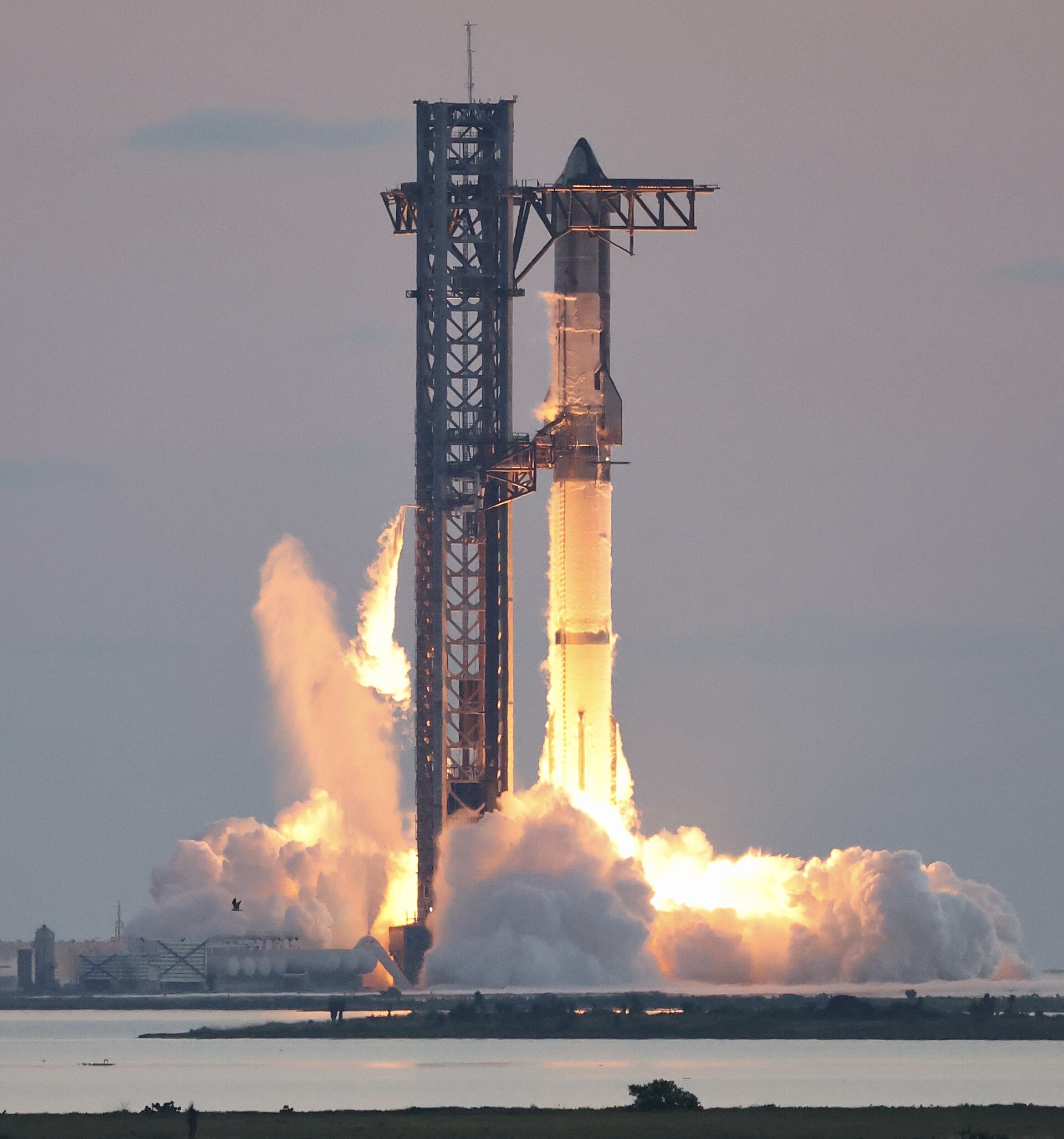
Taken in isolation, this purchase is a transaction. Set in the sequence — the SpaceX-xAI merger, giant data centres, a chain of stock market listings — it traces an underlying trend: artificial intelligence is concentrating in the hands of a few vertical conglomerates. Musk brings together rockets, a social network, an AI model, a supercomputer and, now, the most widely used development tool.
Power is shifting from the model to the ownership structure. The relevant question is no longer just "which is the best model?", but "who owns the whole chain — compute, model, tool — on which my business rests?". Yesterday's alliances are coming apart; customers need to re-check, regularly, who owns what in their stack.
| Before the purchase | After the purchase |
|---|---|
| Cursor relies largely on Claude (Anthropic) | Cursor switches to Grok / xAI, Anthropic's competitor |
| Independent tool, successive funding rounds | Subsidiary of a listed conglomerate preparing an IPO |
| Relatively open choice of model | Engine, price and data decided by the new owner |
| Anthropic collects a major share of its code revenue | Anthropic loses this channel to its direct rival |
5. What it changes for your teams
For an SMB or mid-sized company whose teams work with AI tools, the Cursor episode is not a signal to be afraid: it is an invitation to take back control of your toolchain. The right reflex is not to flee, it is to choose with method.
Choose knowingly. An AI tool is no longer simply software: it is a model, a publisher, a shareholder. Building these three dimensions into the choice — alongside performance and price — turns a forced purchase into an owned decision.
Keep the freedom to switch. A team able to change model or tool without rebuilding everything stays in charge of its choices, whatever acquisitions hit the sector. It is a matter of architecture, not luck.
Make your tools work for you, not the other way round. The real difference is not made by the software chosen, but by how your teams use it: good practices, automations, skills development. That is where value is created — and it depends on no one but you.
Fact: on 16 June 2026, SpaceX bought Cursor for $60 billion, and a tool your teams may use every day changed owner and camp. Hypothesis: the vertical concentration of AI capital will continue, and with it the number of alternatives at each layer will shrink. Opinion: in the age of AI conglomerates, the question that matters is no longer "which tool is best?" but "which one truly serves your teams — and who owns it?".