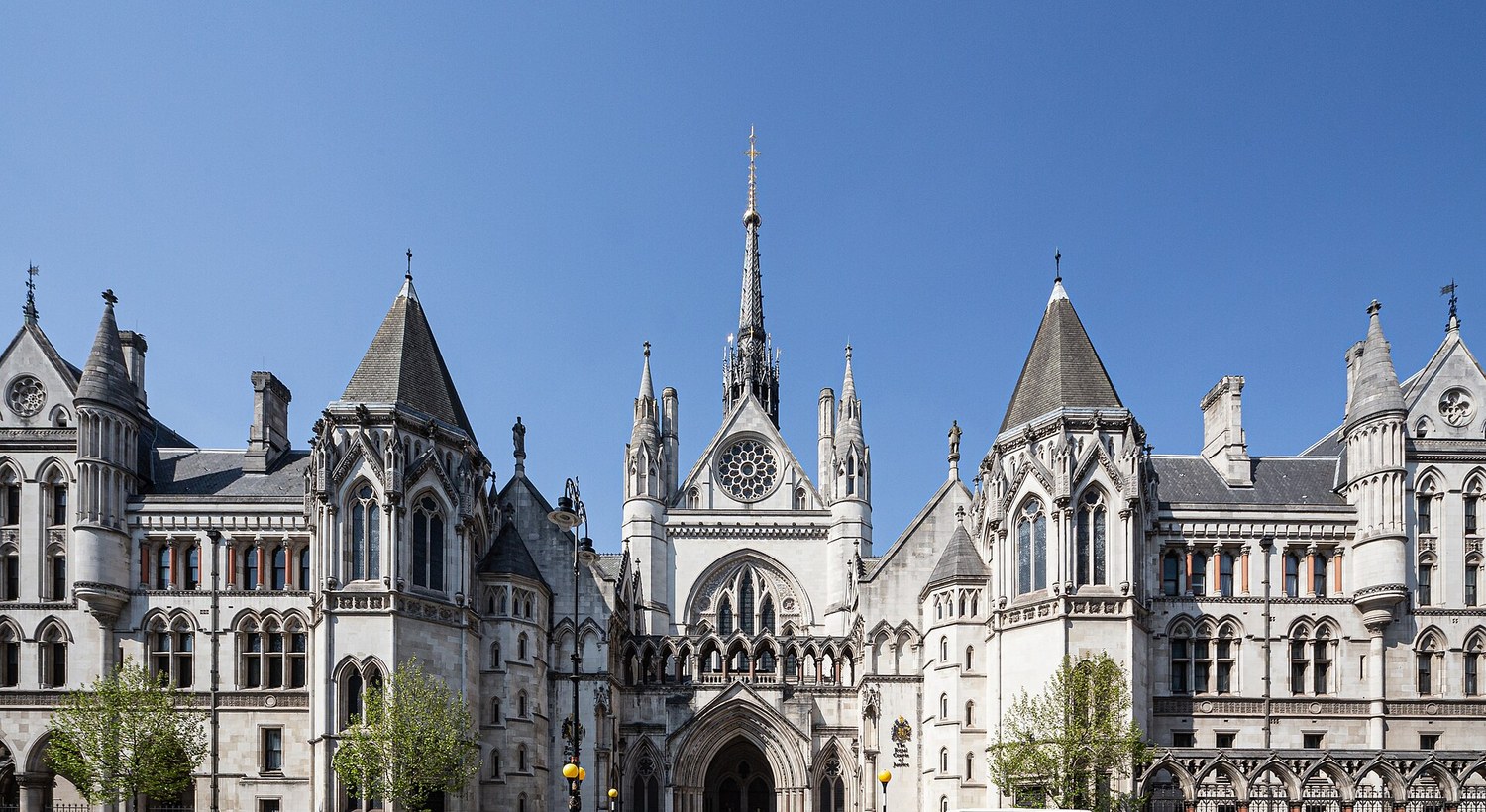
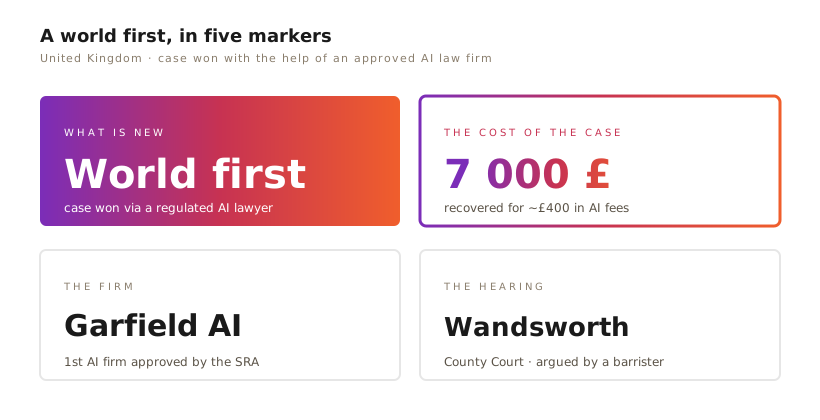
In the United Kingdom, a freelance consultant has just recovered £7,000 in unpaid fees after a trial — relying on Garfield AI, presented as the first law firm driven by artificial intelligence to be approved by the solicitors' regulator (the SRA). The cost to her: roughly £400. According to the firm, it is the first time anywhere in the world that a case has been won with the support of a regulated AI lawyer. Behind the spectacular headline, the reality is more nuanced — and far more interesting — than a "robot replacing the lawyer".
1. What happened
The case is an ordinary commercial dispute: Tamires Camal Taquidir, an independent HR consultant, was claiming unpaid fees from a company in the hospitality sector. After attempts at an amicable settlement failed, she turned to the Garfield AI platform to draft her letters before action and start proceedings. The trial was held at Wandsworth County Court and lasted about three hours, with witnesses, cross-examination and a reserved judgment. She not only won, but also defeated a counterclaim from the opposing party.
Sources: Legal Futures · Legal Cheek, June 2026.
2. The nuance the headline leaves out: AI prepares, a human argues
This is the decisive point. Garfield AI carried out all the legal work leading up to the hearing: correspondence, opening the proceedings, documents. But for the advocacy before the judge, the firm instructed a human lawyer, the junior barrister Dominic Li (One Essex Court). The AI therefore built the case; a human defended it at the bar. This is not a detail: the AI's value was concentrated in the procedural part, voluminous and repetitive, where costs balloon and discourage most litigants from seeing a case through.
3. The real break: access to justice
The figure an executive should notice is not 7,000, it is 400. A claim worth a few thousand euros is today almost impossible to recover through the courts: legal fees often exceed the amount at stake, and the company gives up. By compressing the cost of procedural work, AI makes it worthwhile to pursue low-value disputes — unpaid invoices, small commercial disputes, debt recovery. For an SMB or a self-employed person, this is a concrete change: claims that were previously abandoned become recoverable.
It is the same shift in value that AI produces elsewhere: it does not eliminate the professional, it collapses the cost of access to a service that was previously reserved for those who could afford it.
4. Points of caution
One case, not a precedent for the method. A win in a low-value debt-recovery dispute says nothing about an AI's ability to handle complex or criminal litigation, or cases with strongly conflicting interests. Generalising would be premature.
The risk of hallucination in law is real. Several cases, in the United States in particular, have seen lawyers sanctioned for citing decisions invented by an AI. A regulated AI firm must precisely guarantee safeguards against this risk — that is the whole point of approval.
Liability remains to be tested. Who answers for an error: the platform, its directors, the human lawyer instructed? The framework exists on paper; it will be genuinely tested on the day of a costly failure, not a £7,000 victory.
5. Our reading
This first is less a threat to lawyers than a signal about the reorganisation of their profession. The procedural part, time-consuming and little valued, shifts to the machine; human value concentrates on strategy, advocacy, judgement and the client relationship. The profession does not disappear, it recomposes itself — and opens up to a clientele that was in practice excluded by costs.
For a French executive, the lesson is immediately transferable: some of your commercial disputes that are "too small to pursue" soon will not be. The usual caution remains — a regulated tool, documented safeguards, and a human in the loop for decisions that commit you.
For other recent shifts where AI collapses a cost rather than eliminating a profession, see a 1592 classic turned into a 100% AI animated series and the Google-A24 partnership in cinema.