
Some weeks pile up announcements; this one redraws the map. In a few days, four of Google's most renowned brains changed sides, OpenAI released its first in-house chip, China retook the lead in supercomputers without a single American chip, Anthropic accused Alibaba of the biggest plundering ever carried out against Claude, premium AI subscriptions turned out to be loss-making, and SpaceX's relapse on the stock market woke the word nobody wants to say: bubble. Here is the week of 23 to 26 June 2026 in full — more than fifty verified facts, and what they change for you.
1. The talent war ignites
Source: CNBC, June 2026.
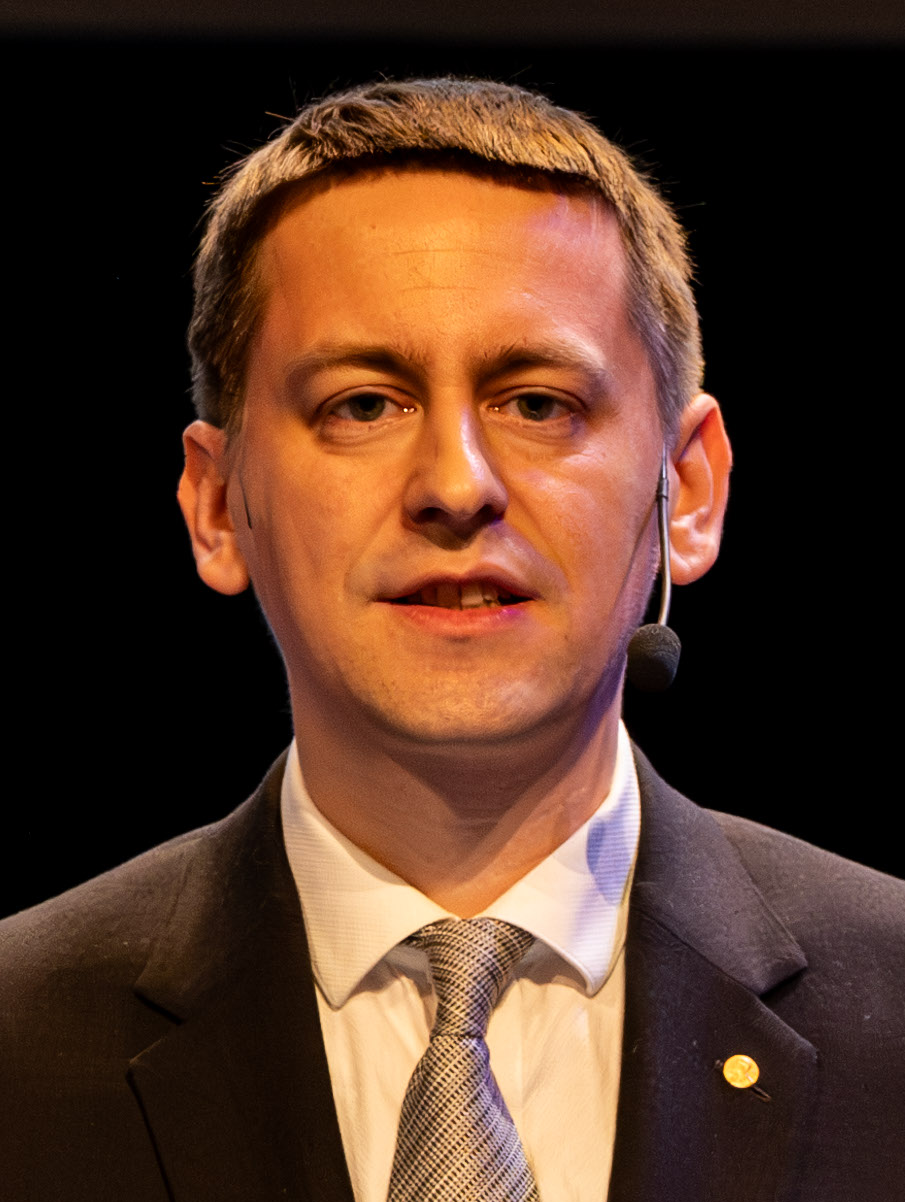
This is the story of the week, and it reads like a haemorrhage for Google. John Jumper, co-recipient of the 2024 Nobel Prize in Chemistry for AlphaFold, is leaving Google DeepMind after almost nine years for Anthropic. A few days earlier, Noam Shazeer, co-lead of Gemini and co-author of "Attention Is All You Need", left for OpenAI — less than two years after his return through the acquisition of Character.AI (2.7 billion). And on 24 June, two more contributors to Gemini and AlphaFold, Jonas Adler and Alexander Pritzel, also joined Anthropic. Four major departures in one week. Recruiting a living Nobel laureate says a lot about Anthropic's ambition: to push Claude towards the life sciences, DeepMind's historic territory. All this while Anthropic has, since late May, led enterprise adoption (34.4% against 32.3% for OpenAI) and been valued at 965 billion after its Series H.
Also this week, on the lab side
- Anthropic accuses Alibaba of the biggest plundering of Claude. In a letter revealed by CNBC, the lab accuses operators linked to Qwen of carrying out 28.8 million exchanges via ~25,000 fraudulent accounts (22 April-5 June) to siphon off Claude's agentic know-how — "the largest known distillation attack". A concrete risk of proprietary models being captured.
- Mythos and the NSA. An official stated in a hearing that Anthropic's Mythos model had, in authorised red-teaming, found flaws in "almost all" of the NSA's classified systems "in hours, not weeks" (testimony not independently verified). It sheds light on the American decision to restrict Mythos and Fable 5.
- Claude lands in Slack. Anthropic launched Claude Tag (beta, running on Opus 4.8): you tag @Claude in a channel, and the agent builds the context and executes. Competition is shifting from chat to task delegation built into the workflow.
2. Models & agents
Source: Neowin, June 2026.
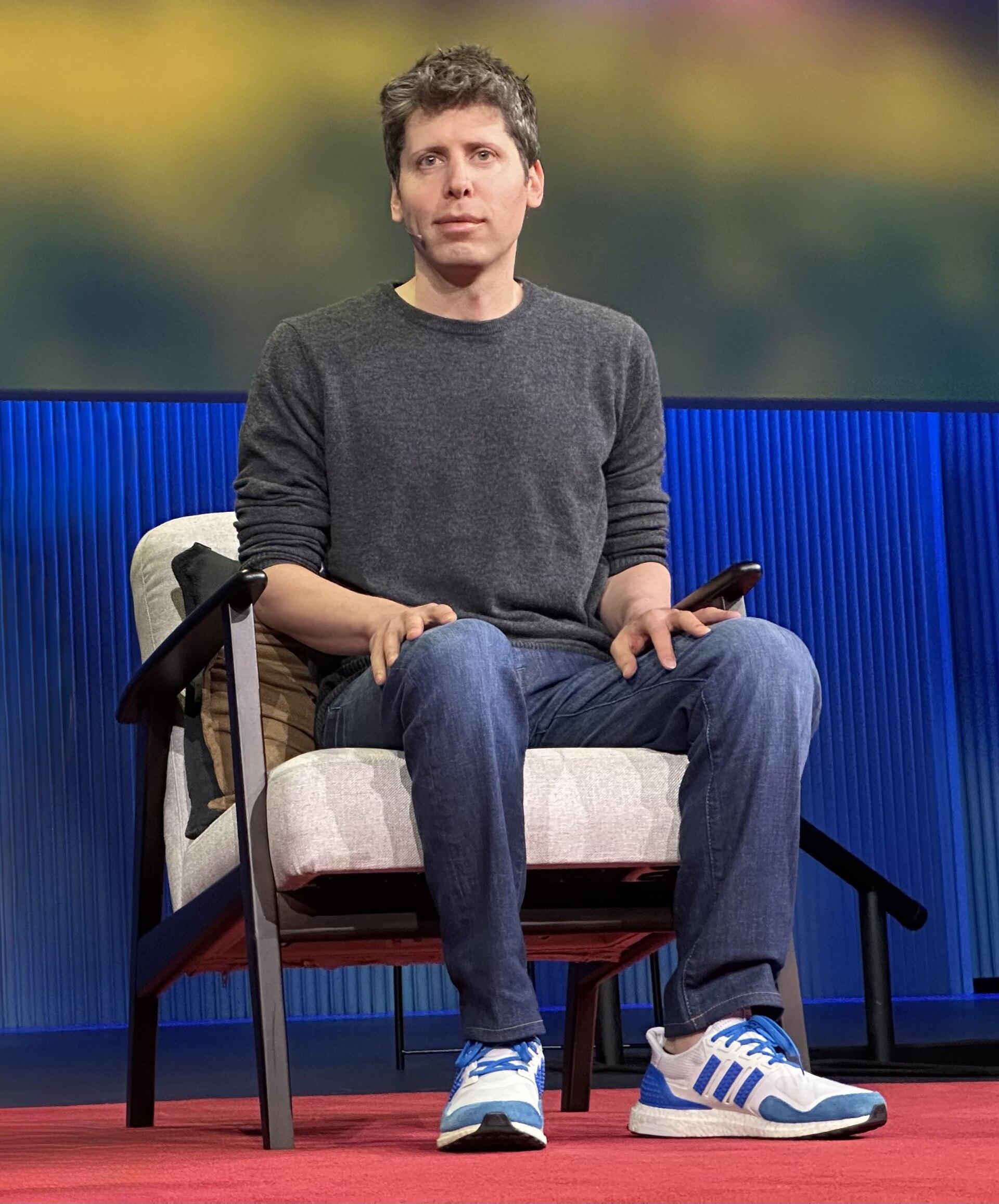
The model race is not slowing down. OpenAI published GPT-5.5-Cyber, specialised in security, which reaches 85.6% on CyberGym against 83.8% for Claude Mythos 5 — reserved for vetted defenders. Google DeepMind natively integrated computer control into Gemini 3.5 Flash (the agent sees the screen, clicks, fills in forms) at a far lower cost than the competition. And Japan's Sakana AI launched Fugu, a "conductor" that distributes each task across a pool of interchangeable models — a bulwark against vendor lock-in.
The rest of the releases
- Mistral OCR 4. A document intelligence model that is entirely self-hostable (single container, 170 languages, best score on OlmOCRBench). For a regulated organisation, this means extracting sensitive documents without sending a single page to a third-party cloud.
- ByteDance Seedance 2.5. AI video crosses 30 seconds native in 4K, without stitching short shots together. Advertising storytelling and branded content become feasible in a single prompt. Public launch targeted for early July.
- Alibaba Qwen-AgentWorld. An open-weights "world model" that simulates seven environments for training agents — it predicts the next observation rather than the next action. A less costly route to making agents reliable.
- Qwable-v1. On Hugging Face, a model reproduces Claude Fable-5's tool behaviour by distillation, without the weights. Proof that a purely behavioural advantage is hard to protect.
- No "new" GPT-5.5. Contrary to what circulated, OpenAI did not release a model this week: only an extension of personalisation to free ChatGPT accounts. To be reframed if it was sold to you as a release.
3. SpaceX and the compute empire
SpaceX has crossed a threshold: it is commercialising its computing power. Its Colossus data centre signed a contract worth up to $6.3 billion with the startup Reflection AI ($150M/month until the end of 2029, on Nvidia GB300 GPUs in Memphis), joining compute agreements estimated at ~45 billion (Anthropic) and ~30 billion (Google). Straight afterwards, the group raised 25 billion in bonds — demand close to 90 billion — and declares more than 100 billion in cash. AI compute has become a commodity sold through colossal multi-year contracts, and SpaceX is building a new annuity from it. (Its 60-billion acquisition of Cursor, for its part, we have already decrypted — see our dedicated article.)
4. Chips, data centres & energy
Source: Top500, June 2026.
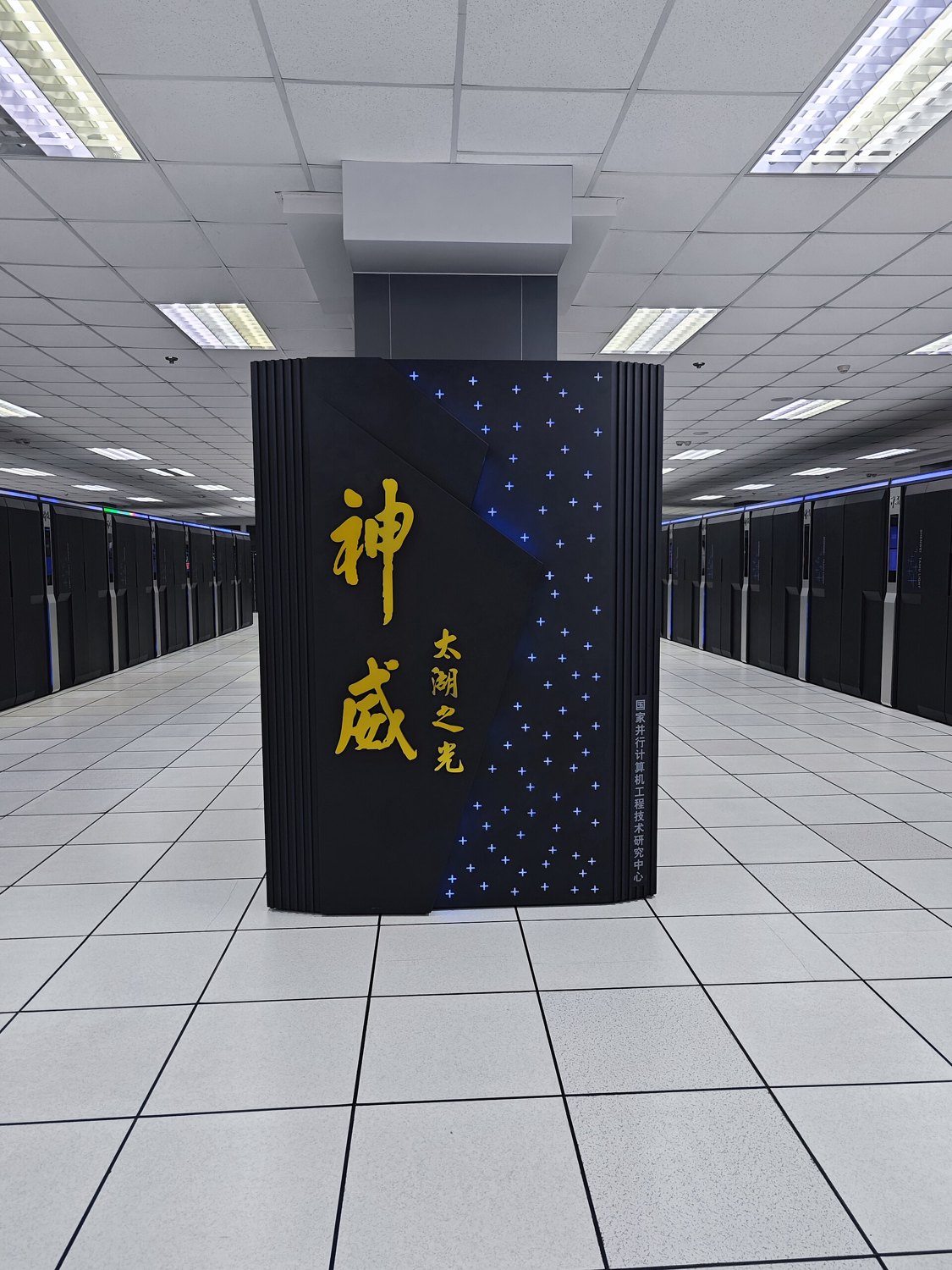
The June Top500 places the supercomputer LineShine first in the world: 2.198 exaflops/s, the first system to exceed 2 exaflops in double precision without any GPU, on entirely Chinese CPUs. A stinging rebuttal to the American export-control strategy. Meanwhile, OpenAI unveiled with Broadcom Jalapeño, its first in-house chip (an inference ASIC, deployment in late 2026) to reduce its dependence on Nvidia.
Infrastructure and energy
- Microsoft, 2 GW in Texas. A campus in Pecos powered by its own gas plant (GE Vernova turbines, 20-year Chevron contract). Hyperscalers are working around grid saturation by generating their own electricity.
- Tesla files "Megapod". A turnkey modular AI data centre, to build on its electrical and battery capabilities.
- Amazon bets on nuclear. TRISO fuel via X-energy is progressing to power its future small modular reactors.
- Energy, the real ceiling. According to the IEA, data centre consumption will rise from ~415 TWh (2024) to ~945 TWh by 2030 — slightly more than all of Japan.
- In brief. Micron co-designs Claude's memory (and invests in it); Groq raises 650 million to pivot into an inference neocloud; Cerebras falls 10% after a disappointing first post-IPO report; ASML showcases its High-NA EUV machine at ~400 million per unit (8 nm patterns).
5. Money, jobs and the bubble
Source: CNBC, June 2026.
The economic fact of the week is a hard one: premium AI subscriptions do not hold up. A SemiAnalysis study puts the real cost of a $200/month ChatGPT Pro at nearly $14,000 of compute at maximum use, and Claude Max at ~$8,000. The plans become loss-making as soon as use is moderate, because agentic workflows consume up to 1,000 times more tokens. The startup Lindy has in fact migrated 100% of its traffic from Anthropic to DeepSeek V4, for ~90% savings. Arbitrage between models becomes a major margin lever.
Source: TechCrunch, June 2026.
Capital, acquisitions and jobs
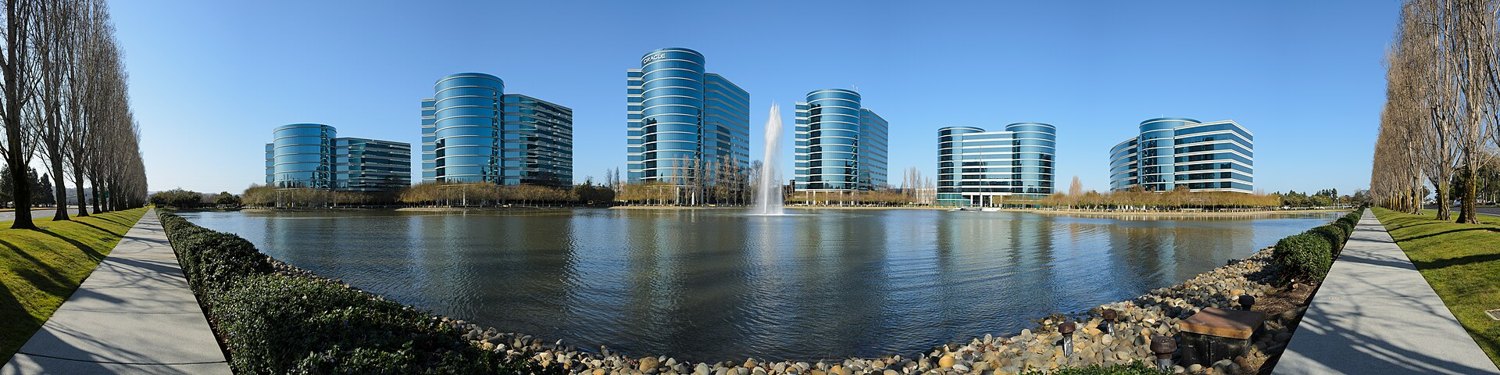
- Oracle: −21,000 jobs. Nearly 13% of its workforce in a year, explicitly linked to AI — while investing 55.7 billion in capex. AI replaces functions and concentrates capital on infrastructure.
- GM: 1,000 workers, 50 robots. The carmaker laid off more than 1,000 workers at its Detroit plant after installing cobots — while posting 4.25 billion in quarterly profits.
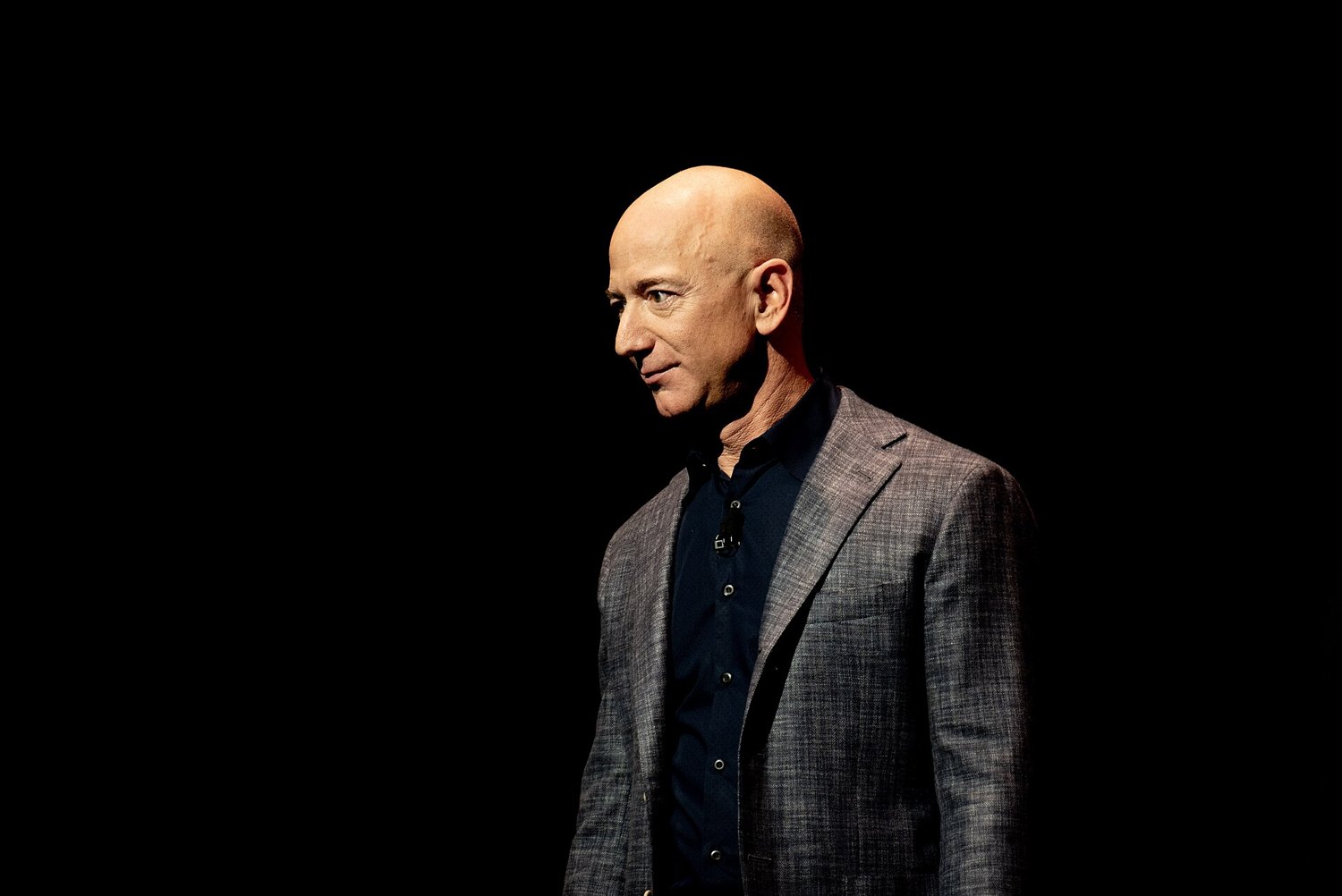
- Bezos raises 12 billion. His startup Prometheus (Series B, ~41 billion valuation) is aiming for an "artificial general engineer" of the physical world. AI capital is now targeting industry, not just software.
- Qualcomm buys Modular (~4 billion) to acquire a software layer to take on Nvidia/CUDA. Superhuman buys the AI detector GPTZero.
- Samsung lifts its ChatGPT ban and rolls out OpenAI across its global division — a switch from a strict ban to governed adoption. Getty Images jumps 145% on the stock market after a deal to display its catalogue in ChatGPT (payment for content, not scraping).
- The bubble worries. After its 11 June IPO, SpaceX's share price soared beyond $225 before falling back towards $153, which would push OpenAI to postpone its IPO to 2027. ChatGPT's market share has also reportedly fallen below 50% (46.4% in May), with Gemini rising to 27.7%.
6. Science is genuinely advancing
Beyond commerce, the week delivered tangible results. An immunologist used GPT-5 Pro to unlock a T-cell puzzle that had gone unanswered for three years: the model proposed a testable hypothesis outside the researcher's field of expertise. And Talos (Microsoft Research, open-source) delivered 241 new rare disease diagnoses across nearly 5,000 patients, by reanalysing genomic data already collected.
- An ultrasound wristband (MIT/USC) controls a robotic hand by reading muscles and tendons (22 degrees of freedom, ~120 ms latency).
- PlasmoSniff (MIT) detects pneumonia from the breath in about ten minutes, without a laboratory.
- Caution. Microsoft's "quantum breakthrough" is challenged in Nature over basic coding errors, and an engineer claims to have deciphered Linear A with AI agents — results not validated by linguists, not to be relayed as established fact.
7. Society, regulation & geopolitics
The trust gap is widening: according to Pew Research, only 16% of Americans expect a positive effect from AI within twenty years, against 40% who anticipate a negative one. Any visible AI deployment must now come with transparency, not a mere promise of efficiency.
- Madison Square Garden reportedly profiled activists opposed to facial recognition (404 Media) — corporate biometrics exposes you to reputational and legal risk.
- "Written by Claude". A US defence amendment came close to controversy for lack of rules on disclosing AI use.
- Misleading home staging. AI embellishes or invents elements in property listings; California (AB 723) now requires flagging retouched photos.
- MATCH Act. The US bill threatens ASML's lithography exports and aims to force allies into alignment; Europe is resisting.
- AI Act. The EU has confirmed a revised timetable: high-risk systems apply from December 2027, but transparency and general-purpose models are maintained at 2 August 2026.
- Standards. OpenAI, Google and Microsoft launch the Appia Foundation (Linux Foundation) for a verifiable "trust layer" — compliance will become a contractual prerequisite.
- Google is cracking. Its search share is eroding, and "zero-click" queries are the majority: visibility in assistants' answers (GEO/AEO) becomes an acquisition issue.
8. Robotics & physical AI
Source: CNBC, June 2026.
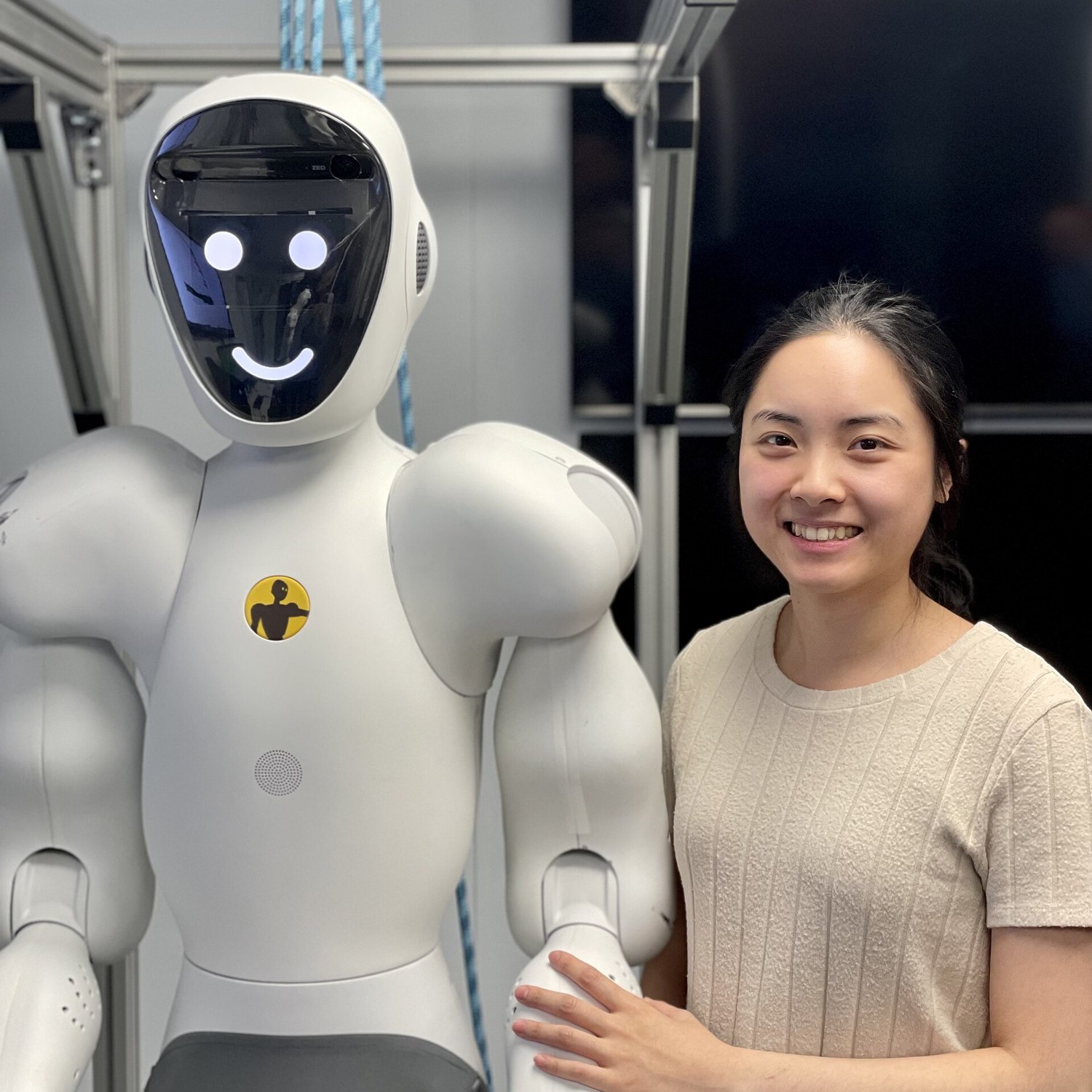
The humanoid market is shifting from demonstration to deployment: Morgan Stanley doubled its forecast of deliveries in China to 50,000 units for 2026 (market estimated at 15 billion by 2030). In the United States, Agility Robotics is aiming for the Nasdaq via a 2.5 billion SPAC — the first listed pure player in humanoid robotics.
- Meta releases its AI glasses, without Ray-Ban. After years under licence, Meta launches its first own-brand range ($299, and $399 for the Kylie Jenner edition): glasses become a distribution channel for its assistant.
- Google: Fitbit Air. A $99.99 tracker whose Gemini coaching is reserved for the Premium subscription.
- Fine manipulation. A three-armed Norwegian robot slices salmon into sashimi (tactile sensor); Stringman, an open-source suspended robot, tidies a room for ~$1,000 of hardware.
- NASA ERNEST. JPL is testing a rover ~10 times faster than Perseverance, and more autonomous.
- Faraday Future, in difficulty, is rebranding on the humanoid wave — with hardware that is in reality white-labelled from a Chinese manufacturer.
- Google Home now identifies people by silhouette and clothing, not just face — a new privacy issue.
What to take away
Read these facts together, and a single line emerges: raw power is no longer enough. Value is shifting towards what surrounds it — brains (the talent war), compute and energy (Colossus, LineShine, Jalapeño, Microsoft's 2 GW), economic sustainability (subscriptions that do not hold up, the bubble that worries), and the right to deliver (cyber under controlled access, export control, the AI Act). The "best model" does not win if it does not keep its engineers, does not control its costs, or does not have permission to be deployed.
For an executive, the course of action is confirmed. Do not lock yourself in with a single supplier: the price gap with open models (the Lindy/DeepSeek case) and regulatory volatility make lock-in costly. Keep control of the layer that chooses and routes models (the Sakana lesson). And treat the choice of an AI as a governance decision — real costs, jurisdiction, compliance — not just a benchmark. That is precisely the role of a studio like ours: helping you keep control of that layer, whatever the model of the moment.
To go further: the Chinese 295-billion AI infrastructure plan, the Google-A24 pact, the first case won through an AI lawyer, and the previous week's recap.